History has long privileged the stories of generals and statesmen over those of the women who moved quietly through the shadows. Yet as archives open and technology expands our access to hidden records, the future of military and intelligence history is being rewritten—not from the top down, but from the margins inward.
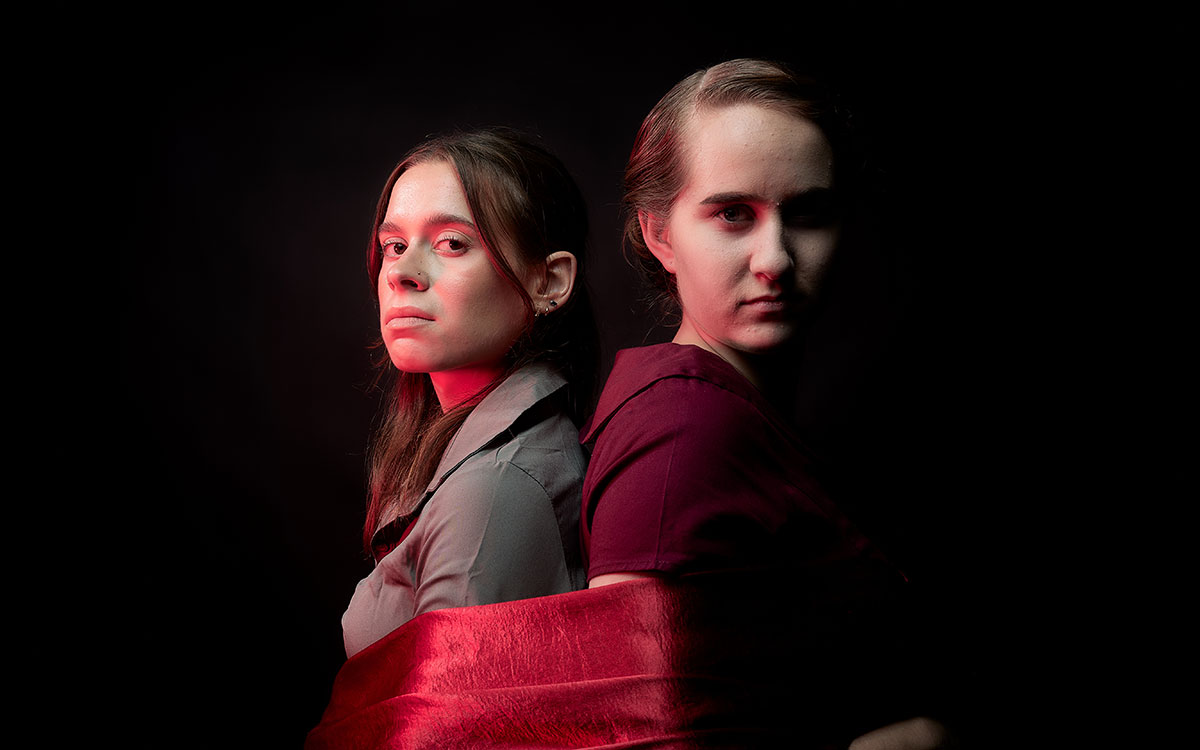
During my Fulbright research in Israel in 2025, and in the months spent before and after in European archives, I uncovered fragments of women’s wartime lives—letters, interrogation reports, and memoirs. Many belonged to female agents who risked everything in occupied Europe as part of Britain’s Special Operations Executive. Postwar narratives often flattened the courage and complexity of these women, while the women themselves were either dismissed as anomalies or romanticized as heroines. Now, digitization and interdisciplinary collaboration are allowing historians to recover these women’s authentic voices and to situate their work within broader questions of gender, power, and recognition.
Looking ahead, the study of female espionage offers a lens into how historical scholarship itself is evolving. As archives around the world become increasingly accessible and collaboration between researchers deepens, long-isolated fragments of women’s resistance networks can finally be brought into conversation with one another. Yet recovering these stories requires more than access—it requires empathy, context, and care.
Forward thinking in my field means bridging scholarship and storytelling: using evidence to illuminate lives once erased, while ensuring that the act of recovery honors the humanity behind the record. In tracing the stories of women who operated between invisibility and impact, we glimpse the future of history itself—one that is more inclusive, interconnected, and attuned to the quiet revolutions that have always shaped our world.
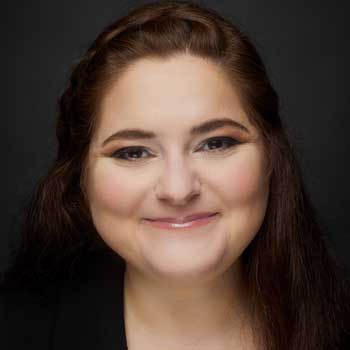
Danielle Wirsansky is a PhD candidate in history at Florida State University, where she previously earned her BA in English, BA in theatre, and MA in history. Her master’s thesis explored the impact of changing gender roles in British society from 1914-1945 on women spies during World War II. Danielle’s research primarily focuses on gender, war, and society, with a particular emphasis on women’s resistance and roles during World War II and the Holocaust. Her work has involved extensive archival research in the United Kingdom and Israel.
Danielle has published articles in respected historical journals and contributed a chapter to an edited volume on gendered justice. Her dissertation examines the gendered experiences of women in the Special Operations Executive (SOE) and their roles in resistance movements. Additionally, she is a recipient of the Elie Wiesel Social Action Fellowship, recognizing her commitment to social justice and historical scholarship. She has presented her findings at numerous conferences, including the Society for Military History’s Annual Meeting, highlighting her contributions to the field.
Danielle was awarded a Fulbright fellowship to conduct research at Bar-Ilan University.Her research aims to shed light on the nuanced and often overlooked contributions of women in wartime resistance, contributing to a broader understanding of gender dynamics in historical contexts.