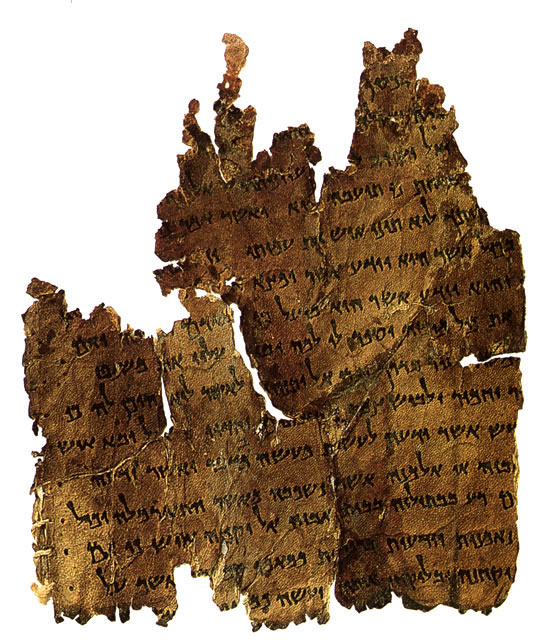
The Dead Sea Scrolls remain one of the most spectacular manuscripts and archaeological discoveries of modern times. For nearly eight decades, Scrolls research has been closely tied to broader technological developments. The application of new technologies represents one of the most promising areas of future study.
Ancient textual artifacts like the Scrolls tend not to reveal the identities of their scribes or specify when and where they were copied by those scribes. Yet such information would help scholars determine when a text was composed and how texts were edited, copied, and transmitted. To address these questions, scholars apply modern techniques such as historical linguistics and paleography—the study of ancient handwriting. But to avoid charges of subjectivity and methodological irregularities, objective scientific approaches like radiocarbon dating—which emerged in the mid-twentieth century—are brought to bear whenever possible. The advent of specialized Artificial Intelligence (AI) models is now providing an exciting new method for advancing these inquiries.
Scrolls’ scholars and computer scientists have employed AI models in attempts to identify the handwriting of multiple scribes within a single manuscript or of a single scribe across many manuscripts. They have also trained an AI model that uses the radiocarbon dates of tested manuscripts, together with scholarly paleographic assessments of the same pieces, to predict when manuscripts that have not been radiocarbon dated were copied.
Scrolls’ study is now moving toward an integrative approach that combines material analysis with AI-enabled methods to generate new insights into manuscript production. By linking physical features—such as ink composition and parchment type—with scribal identifications produced by AI models, scholars can begin to map clusters of manuscripts likely to have been copied around the same time or in the same place. This convergence of scientific and computational analysis promises to refine chronologies of textual transmission and to reconstruct the social and geographical settings in which these texts were created.
Bio
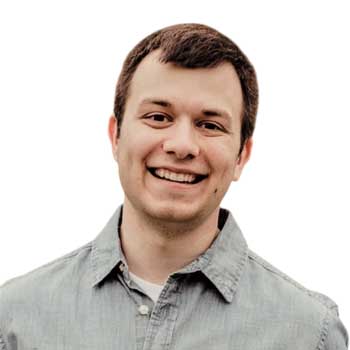
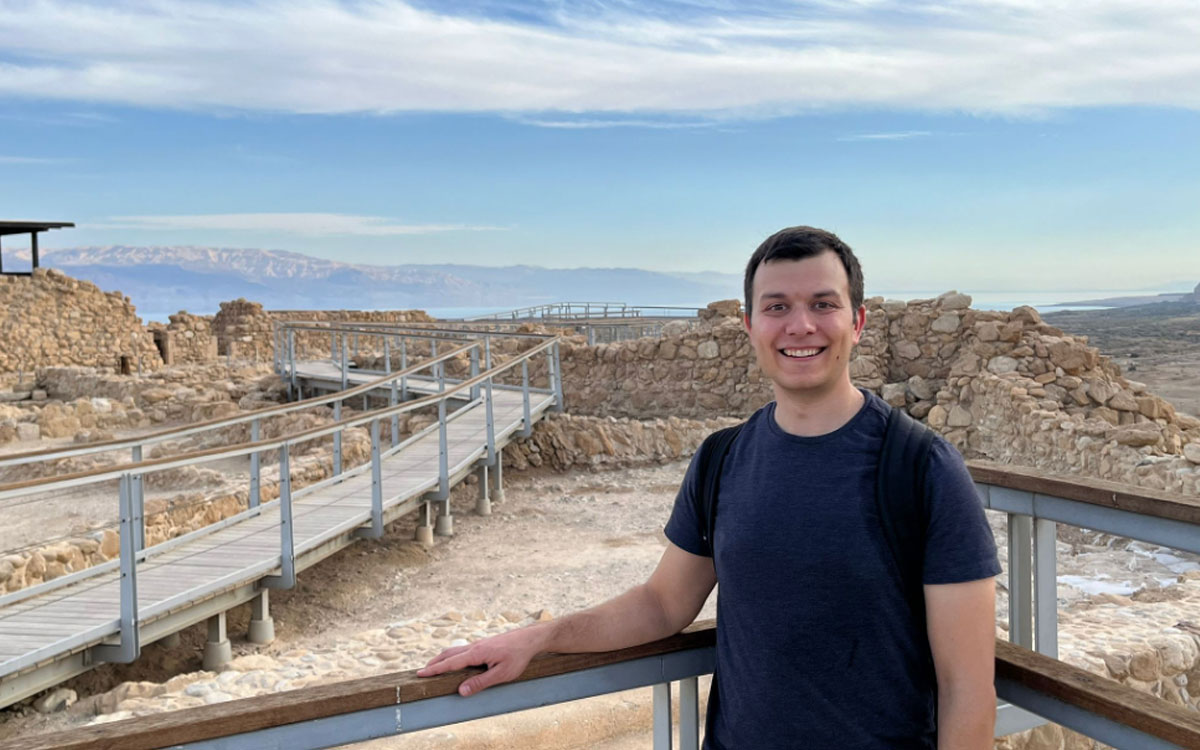
Jeff Cross was awarded a Fulbright Postdoctoral Fellowship to pursue his research project, “The Dead Sea Scrolls and Hellenistic Stoicism: Contributing to a More Equitable Intellectual History,” under the mentorship of Professor Noam Mizrahi at the Hebrew University of Jerusalem. In this project Jeffrey examines conceptual similarities between the Dead Sea Scrolls and texts representing the views of Hellenistic Stoicism. In addition to demonstrating philosophical engagement between Jews writing in Hebrew, and Greek and Roman intellectuals, this research challenges the study of these literatures in isolation and models a more equitable intellectual history of the ancient Mediterranean. Jeffrey studied classics for his BA at Baylor University. He then received his MA and PhD in classical and Near Eastern religions and cultures at the University of Minnesota. There he wrote his dissertation on scribal rewriting and textual development in the legal texts of the Dead Sea Scrolls, under the direction of Professors Bernard Levinson (University of Minnesota) and Molly Zahn (Yale Divinity School).