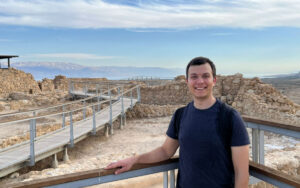
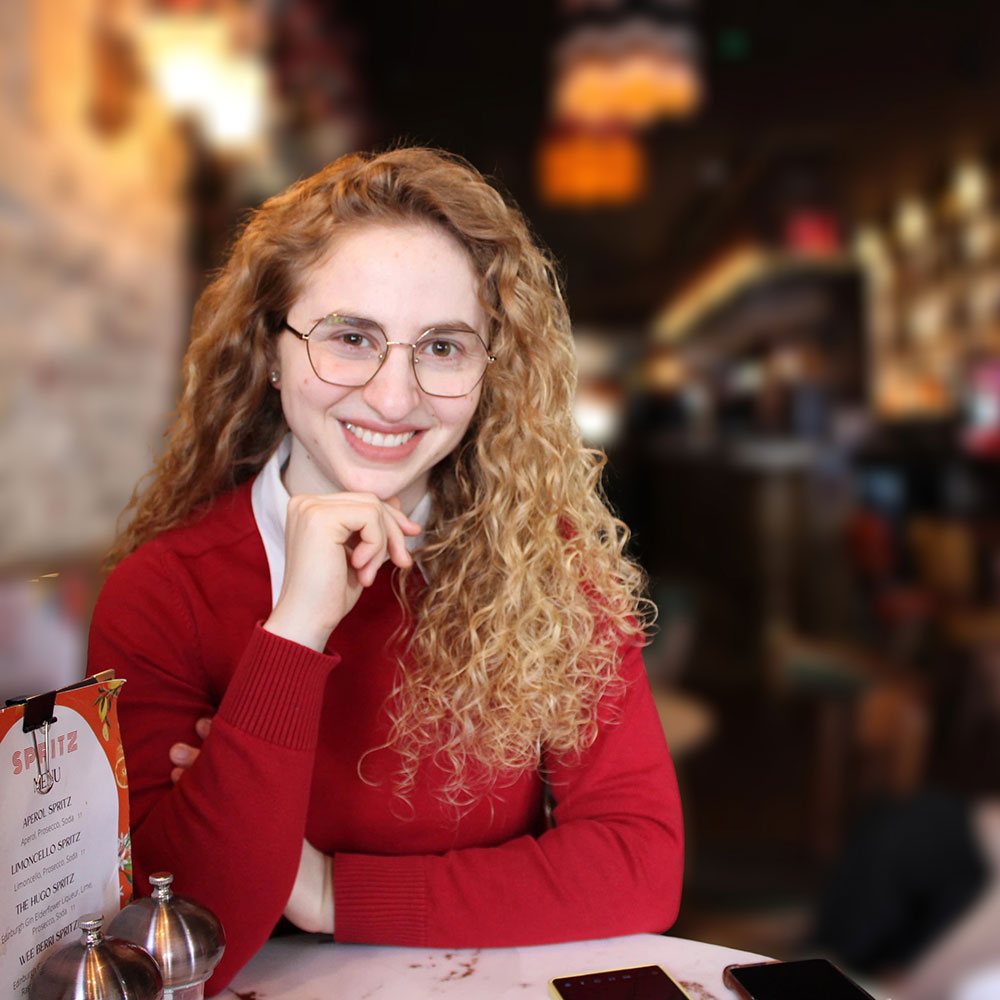
Nadia Abu Ata
Fulbright Master’s Degree Fellowship, 2025, Public Health, Washington University in St. Louis
Beyond Algorithms: Building Trust in the Future of Public Health
Pictures: Dani Machlis/BGU
Share:
Public health today stands at a crossroads between the grounded realities of human connection and the accelerating pace of technological innovation. Algorithms can now predict our risk of disease before we feel a single symptom, but they still cannot grasp the complexity of human decision-making, shaped as it is not only by logic, but also by emotion, culture, and competing priorities.
With a background spanning laboratory science, nutrition, and community work in Jerusalem, I have seen how even the most accurate data can prove inadequate when people lose faith in the systems that produce it. Health messages often fall short when they don’t speak a community’s language, not just linguistically, but also socially and culturally. A recommendation that conflicts with the daily realities of financial pressure, family dynamics, or limited education is easily dismissed, no matter how scientifically sound.
When I transitioned from clinical work to public health, I learned that the greatest challenge isn’t biological, it’s human. Technology can analyze millions of data points, but it cannot interpret the hesitation in a mother’s voice or the quiet resilience of a family navigating care under economic strain. In my early days of working in community programs, I found that genuine dialogue and relationships created more change than any policy or digital tool could, especially in a post-pandemic world still in the process of rebuilding trust.
As Artificial Intelligence (AI) becomes central to healthcare, the question is not how fast we innovate, but how responsibly we do so. Data ethics, cultural sensitivity, and truly understandable, two-way communication must evolve alongside algorithms. Equally important is the task of preparing health and public health professionals to not only use these tools, but to understand their human impact as well. The future of public health will depend not on the smartest system, but on the most trusted connection between science and society.
Bio
Nadia Abu Ata is a licensed clinical dietitian and certified laboratory technician issued by the Israeli Ministry of Health. She holds a Bachelor of Science in agriculture and nutrition science from the Hebrew University of Jerusalem and is also a certified personal fitness trainer from the Wingate Institute. Nadia currently works as a medical lab technician at Maccabi Healthcare Services’s central laboratories in Rehovot, where she contributes to diagnostic accuracy through sample analysis and equipment troubleshooting in hematology.
Her multidisciplinary background includes work as a research assistant at the Weizmann Institute of Science and as an educator and translator at the Clore Science Museum, part of the Davidson Institute. Passionate about community-building, Nadia volunteers as a project manager with the Harmony Community, where she leads professional and social initiatives.
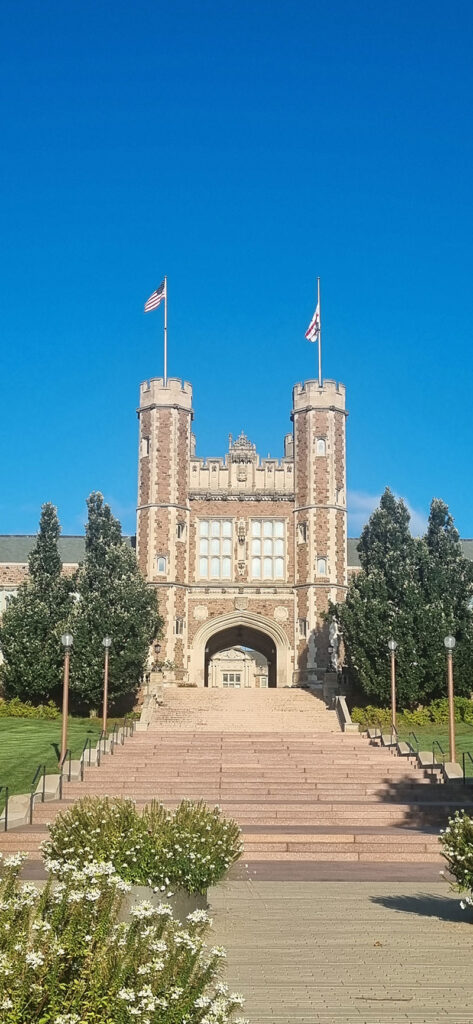
Nadia is currently pursuing a Master of Public Health with an emphasis on epidemiology at Washington University in St. Louis, aiming to deepen her impact on population health.