

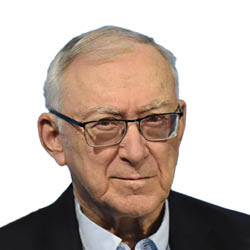
Asa Kasher is an Israeli professor emeritus of philosophy and professional ethics at Tel Aviv University and a senior researcher at the Institute for National Security Studies (INSS). He is a distinguished figure in public discourse, renowned for authoring the IDF’s Code of Ethics, winning the Israel Prize for Philosophy in 2000, and contributing extensively to professional ethics, military ethics, and the philosophy of democracy. Kasher also holds positions at Shalem College and has served on numerous governmental committees and advised on ethical codes for various public organizations.
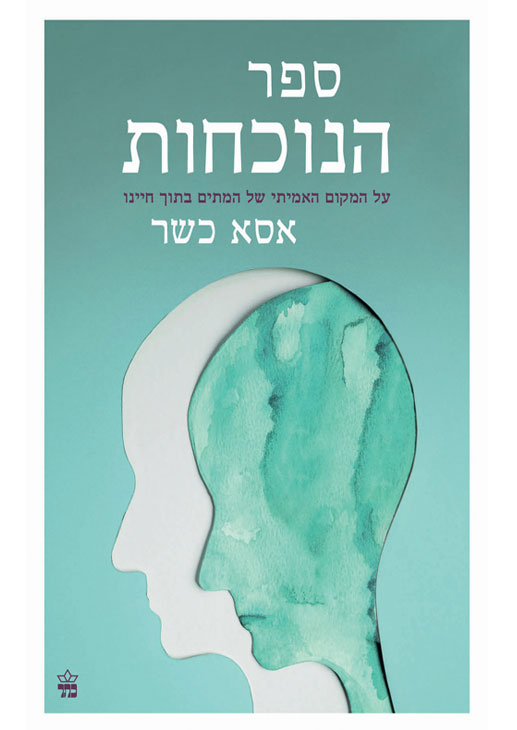
Sooner or later, each of us finds ourselves in a new and shocking situation: a loved one who lived close to us has passed away, no longer among the living. In such a situation, what will be the place of that person after his or her life in the ongoing story of our own lives? This is not a simple question. Usually, we do not have a ready-made answer. The Book of Presence, On the role of the dead in the life of the living seeks to offer a general approach to this situation, in which a living person stands in the presence of another person after his or her life. The responsibility for a person’s place after his or her life rests on the shoulders of the lives after him or her. The approach proposed here to the question of how to treat a person after his or her life is based on the concept of presence. A person may not be present among the living, but at the same time he or she is present in their souls, in thoughts about him or her, in feelings for him or her, in actions in his or her honor. This book aims to clarify and explain the concept of presence, to shed light on many cultural examples of the implicit role of the concept of presence in our lives and to reanalyze expressions and practices that are familiar to us without us properly understanding them, such as separation and coping. The book also contains a critical discussion of social and cultural trends of forgetting people after their lives and the pressure on their survivors to reduce their expressions of mourning.